Ann Koome
The media world is changing faster than ever. With just a smartphone, an internet connection and a creative idea, an ordinary person can now become a content creator capable of reaching thousands, even millions, of people. From the explosive growth of TikTok videos to artificial intelligence, podcasts and social media journalism, digital technology is fundamentally changing how information is created, distributed and consumed. For journalists and aspiring media professionals, the message is clear: the newsroom of tomorrow will demand more than traditional journalism skills.
Short-form video has emerged as one of the most influential trends in digital media, with a “TikTok generation” transforming the art of storytelling. Platforms such as TikTok, Instagram Reels and YouTube Shorts have changed how audiences consume information, drawing them toward content that is brief, visually engaging and easy to share.
News organisations, businesses, institutions and independent creators alike are adapting their storytelling to fit this new digital environment. A journalist today may need to research a story, write a script, record video, edit footage, add captions and publish the final product across several platforms, often within the same day. The ability to tell a compelling story quickly has therefore become an increasingly valuable media skill.
Artificial intelligence is another technology rapidly reshaping the industry. AI tools can now assist with transcription, research, content production, image generation, video editing and data analysis. But the technology has also created new challenges: questions around misinformation, copyright, originality, privacy and the authenticity of AI-generated content have become increasingly important. For journalists, technology does not remove the need for professional judgment; if anything, it makes verification, accuracy and ethical decision-making even more essential.
The traditional newsroom is no longer the only place people encounter news. Facebook, X, Instagram, YouTube and other digital platforms have become important channels through which audiences discover, discuss and share information.
Unlike traditional broadcasting, these platforms let audiences respond almost instantly, and a story can generate comments, reactions and discussion within minutes. That immediacy is an opportunity for journalists, but it also means inaccurate information can spread just as quickly, so professional journalists must learn to balance speed with accuracy and responsible reporting.
Podcasts and online streaming have opened further doors for media professionals. From interviews and documentaries to entertainment, education and news programmes, audiences can now choose what they want to watch or listen to, and when. For aspiring broadcasters, this offers room to experiment with new formats and to build audiences beyond traditional radio and television.
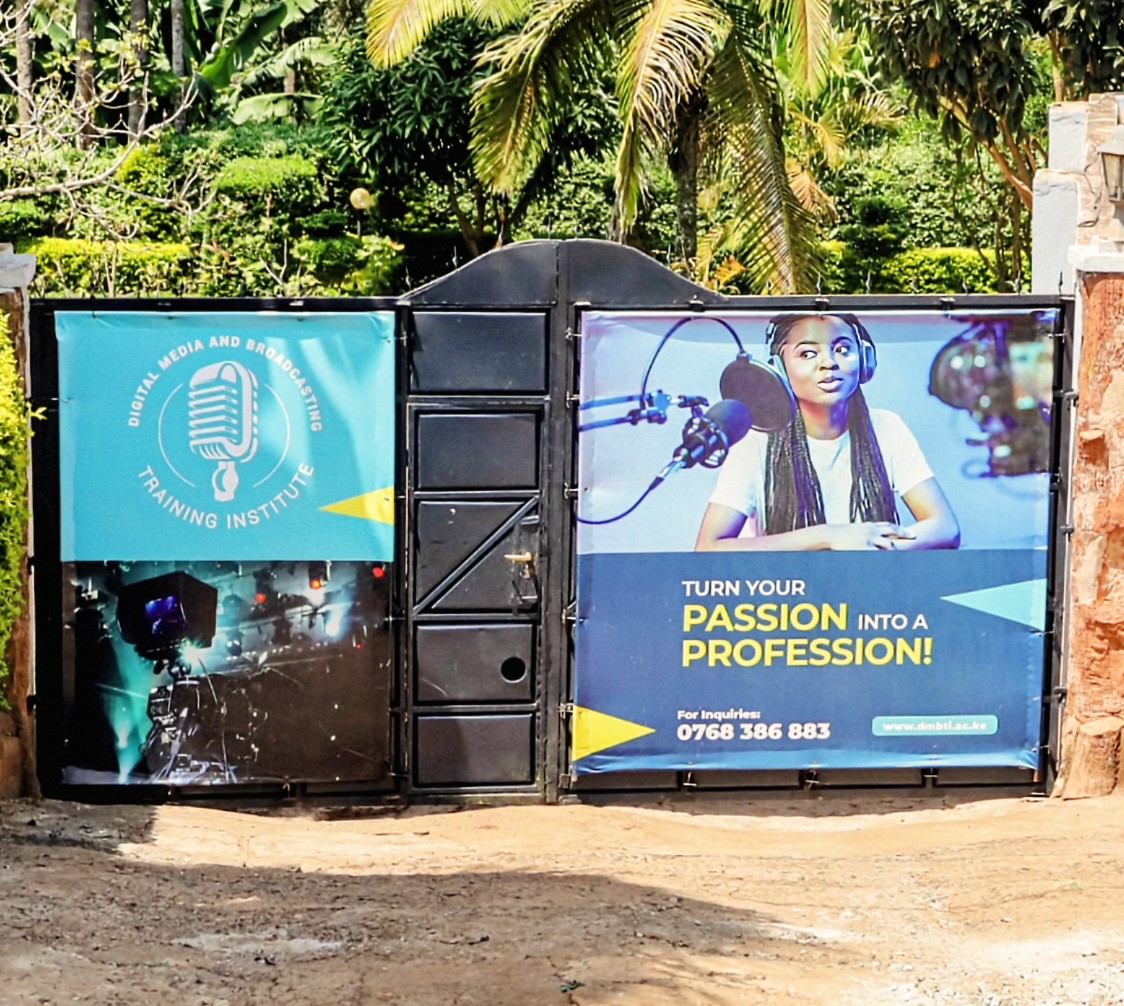
As the industry changes, media training institutions are increasingly expected to prepare students for a digital-first environment. At D.M.B.T.I., students receive practical, studio-based training aimed at developing skills relevant to the modern media industry, an approach that lets them practise production in a real environment while building skills that transfer across digital platforms. The changing industry needs professionals who can combine journalism with digital storytelling, video production, broadcasting, editing and emerging technologies.
The future media professional may no longer be defined by a single job title. A journalist today could be a reporter, presenter, videographer, editor, podcaster and social media storyteller, all within the same career.
Technology will keep changing the tools available to media professionals, but one thing is unlikely to change: the power of a good story. As digital platforms continue to evolve, creativity, accuracy, ethics and adaptability will remain essential qualities for anyone building a career in media. Learning to use today’s technology is only part of the journey; the bigger challenge, and opportunity, is learning how to use that technology to tell stories that matter.